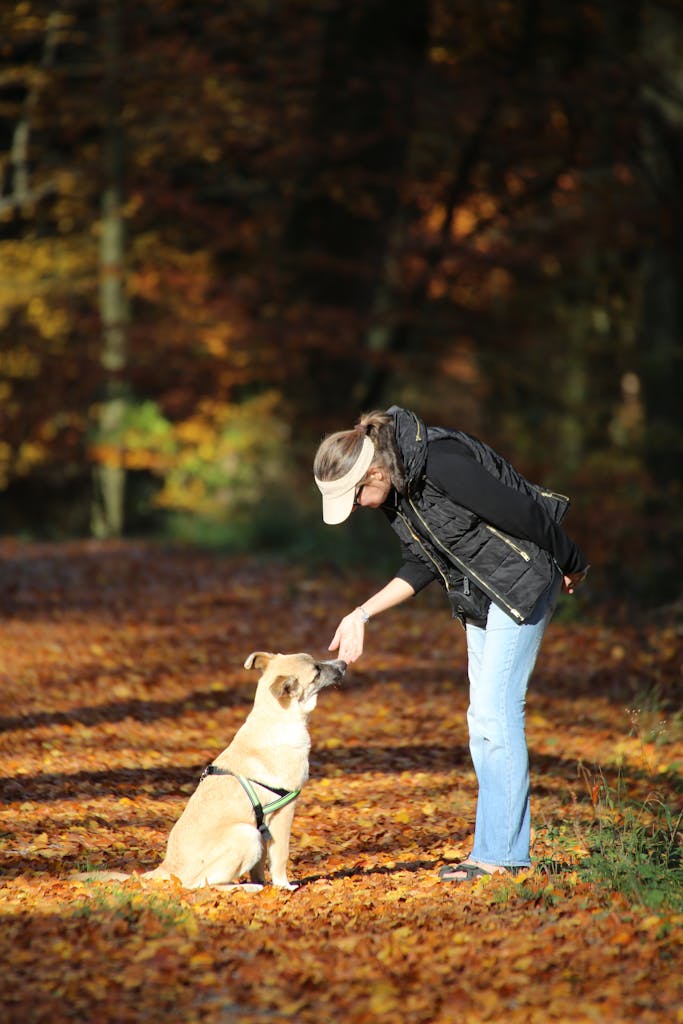
How Can You Effectively Teach Your Dog to Heel?
Teaching your dog to heel is one of the most valuable commands you can introduce, creating a foundation for safe, enjoyable walks and better overall obedience. Whether you’re a new dog owner or looking to refine your pet’s manners, mastering the heel command can transform your daily strolls into a harmonious experience. It’s not just about control—it’s about building a stronger bond and clear communication between you and your furry companion.
Understanding how to teach your dog to heel involves more than just getting them to walk beside you. It requires patience, consistency, and the right techniques tailored to your dog’s personality and learning style. This command helps your dog stay focused and close, preventing pulling or wandering, which can be both frustrating and unsafe in busy or unfamiliar environments.
In the following sections, you’ll discover practical tips and effective strategies to guide your dog through this essential training. With the right approach, you’ll soon enjoy peaceful, well-mannered walks that both you and your dog look forward to every day.
Establishing the Heel Position
Teaching your dog the heel command begins with establishing a clear and consistent heel position. This position is typically at your dog’s left side, with its shoulder aligned with your leg. The dog should walk close enough to you that you can easily hold the leash without slack, but not so close that it feels cramped.
To encourage your dog to find and maintain this position:
- Use treats or a favorite toy as a lure, held at your side to guide your dog.
- Keep your body posture upright and relaxed to create a calm and inviting environment.
- Use a verbal cue such as “heel” consistently each time the dog assumes the correct position.
- Reward your dog immediately when it maintains the correct position for a few seconds.
Repeating this process in short, frequent sessions helps your dog understand where it needs to be relative to you.
Teaching the Heel Command on Leash
Once your dog is familiar with the heel position, the next step is to teach it to walk there on a leash. This stage requires patience and a structured approach to reinforce proper walking behavior.
Key steps include:
- Start in a quiet, distraction-free environment to help your dog focus.
- Hold the leash firmly but with some slack, avoiding tension that could cause pulling.
- Use the verbal cue “heel” just before you start walking.
- Begin walking at a steady pace, encouraging your dog to stay by your side.
- If your dog pulls ahead or lags behind, stop walking immediately and wait for it to return to the heel position before continuing.
- Offer praise and treats frequently to reinforce positive behavior.
Consistency is crucial. Practice short sessions multiple times a day rather than long, infrequent ones.
Handling Common Challenges
Training a dog to heel can present several challenges. Addressing these effectively ensures steady progress.
- Pulling on the Leash: If your dog pulls forward, stop moving and call it back gently to the heel position before resuming.
- Distractions: Gradually introduce distractions, such as other people or dogs, but keep rewards high to maintain your dog’s attention.
- Lagging Behind: Encourage your dog with a cheerful tone and use treats to motivate it to keep pace.
- Loss of Interest: Keep training sessions engaging and end on a positive note to maintain enthusiasm.
Patience and consistency, combined with positive reinforcement, help overcome these obstacles.
Using Body Language and Verbal Cues
Effective communication with your dog during heel training depends on clear body language and consistent verbal cues.
- Maintain an upright, confident posture to signal leadership.
- Use subtle hand signals alongside verbal commands to reinforce understanding.
- Keep your tone upbeat and encouraging to motivate your dog.
- Avoid repetitive commands; instead, use a single clear cue per behavior.
- Pause and correct gently if your dog drifts from the heel position, combining a calm verbal reminder with leash guidance.
Over time, your dog will associate these signals with the expected behavior, improving responsiveness.
Progressing to Off-Leash Heel
After mastering the heel command on leash, transitioning to off-leash heel requires controlled practice in safe environments.
Steps to progress include:
- Begin in a secure, enclosed area to prevent your dog from running off.
- Use a long training leash to maintain some control while giving your dog freedom.
- Practice the heel command as before, rewarding your dog for maintaining position without physical restraint.
- Gradually increase distractions and distance from yourself.
- Only remove the leash entirely when your dog consistently responds to the heel command under various conditions.
This gradual progression ensures your dog remains reliable and attentive even without leash guidance.
Sample Training Schedule for Heel Command
| Day | Focus | Duration | Environment | Key Activities |
|---|---|---|---|---|
| 1-2 | Heel Position Familiarization | 5-10 minutes/session | Quiet room or backyard | Lure into position, verbal cue , reward |
| 3-5 | Leash Walking in Heel Position | 10-15 minutes/session | Quiet outdoor area | Start walking with “heel” cue, stop if dog pulls, reward frequently |
| 6-8 | Adding Mild Distractions | 10-15 minutes/session | Park or quiet street | Practice heel with mild distractions, maintain focus with rewards |
| 9-12 | Off-Leash Training with Long Line | 15-20 minutes/session | Enclosed area | Heel command without leash pressure, gradual distance increase |
| 13+ | Off-Leash Heel with Distractions | 15-20 minutes/session | Varied environments | Reliable heel command off-leash, distractions present |
Understanding the Heel Command
The “heel” command directs a dog to walk closely by the handler’s side, typically on the left, maintaining a consistent pace and position. This behavior is fundamental for safe and controlled leash walking, especially in crowded or distracting environments. Teaching a dog to heel enhances communication and strengthens the handler-dog bond, as it requires attentiveness and responsiveness from the dog.
Effective heeling involves:
- Positioning the dog at the handler’s side without pulling ahead or lagging behind.
- Maintaining focus on the handler rather than environmental distractions.
- Walking at a steady pace with the dog matching the stride.
Understanding these components is essential before beginning formal training to ensure clarity in cues and expectations.
Preparing for Heel Training
Before starting heel training, gather the necessary equipment and set up an appropriate training environment.
- Leash and Collar or Harness: Use a standard 4-6 foot leash to maintain control. Avoid retractable leashes, which can encourage pulling.
- Treats and Rewards: Have small, high-value treats ready to reinforce desired behaviors promptly.
- Quiet, Distraction-Free Area: Begin training in a calm location to help your dog focus.
- Clear Verbal Cue: Decide on a consistent word or phrase such as “heel” to signal the behavior.
Consistency in tools and environment aids in creating a predictable learning experience for your dog.
Step-by-Step Guide to Teaching Heel
Follow these structured steps to train your dog to heel effectively:
| Step | Action | Purpose |
|---|---|---|
| 1. Establish Position | Stand still with your dog at your left side. Use a treat to lure your dog into position, aligning their shoulder with your left leg. | Creates a clear and comfortable starting point for the dog. |
| 2. Introduce the Cue | Once the dog is in position, say “heel” and give a treat immediately. | Associates the verbal cue with the desired position. |
| 3. Take Small Steps | Begin walking slowly, encouraging the dog to stay by your side. If the dog moves ahead, use gentle leash guidance to reposition. | Teaches the dog to match your pace and maintain position. |
| 4. Reward Consistently | Give treats frequently when the dog maintains heel position, gradually increasing the duration before rewarding. | Reinforces the behavior and builds duration. |
| 5. Increase Distractions | Gradually practice in more distracting environments, maintaining leash control and rewarding focus. | Generalizes the behavior to real-world situations. |
| 6. Reduce Treats | Slowly transition to intermittent rewards and verbal praise to maintain behavior without over-reliance on treats. | Promotes long-term compliance and self-control. |
Common Challenges and Solutions
Training a dog to heel can present various obstacles. Address these issues effectively to maintain progress:
- Dog Pulls Ahead: Stop walking immediately when the dog pulls, then resume only when the dog returns to the heel position. This teaches that pulling does not result in forward movement.
- Dog Lags Behind: Use a cheerful voice and treats to encourage the dog to close the gap. Avoid pulling the leash, which can create resistance.
- Dog Distracted by Environment: Return to a less distracting area and reinforce focus with treats and praise before gradually reintroducing distractions.
- Inconsistent Responses: Ensure all family members use the same cues and training methods to avoid confusing the dog.
Using Positive Reinforcement Effectively
Positive reinforcement is the cornerstone of successful heel training. It involves rewarding the dog immediately after displaying the desired behavior, which increases the likelihood of repetition.
- Timing: Deliver treats or praise within one second of the correct behavior to create a clear association.
- High-Value Rewards: Use treats that are especially appealing to your dog, such as small pieces of cooked chicken or commercial soft treats.
- Variety: Mix treats with verbal praise and petting to maintain motivation.
- Gradual Fading: Slowly decrease the frequency of treats while increasing verbal encouragement to build lasting behavior.
Incorporating Heel into Daily Walks
To reinforce and maintain heeling skills, incorporate the command into everyday walks:
- Start each walk with a few minutes of focused heel practice to set expectations.
- Use the heel command when approaching distractions
Professional Guidance on How To Teach Heel To Dog
Dr. Emily Carter (Certified Canine Behaviorist, Canine Academy). Teaching a dog to heel requires consistency and positive reinforcement. Begin in a low-distraction environment, using treats to reward your dog for staying close to your side. Gradually increase distractions and duration, ensuring the dog maintains focus and position. Patience and clear communication are essential throughout the training process.
Marcus Lee (Professional Dog Trainer, K9 Training Solutions). The key to effective heel training lies in timing and body language. Use a short leash to guide your dog gently beside you, and employ verbal cues such as “heel” combined with hand signals. Always reward immediately when your dog complies. Avoid pulling or harsh corrections, as these can create fear or confusion, hindering progress.
Sophia Ramirez (Veterinary Behavior Specialist, Animal Wellness Clinic). Understanding your dog’s motivation is crucial when teaching heel. Use high-value rewards that your dog finds motivating, whether treats or praise. Keep training sessions short and frequent to maintain engagement. Additionally, incorporate heel training into daily walks to reinforce the behavior naturally and strengthen the bond between owner and dog.
Frequently Asked Questions (FAQs)
What is the first step in teaching a dog to heel?
Start by introducing the dog to walking calmly beside you on a leash, using a consistent command such as “heel” and rewarding them for staying close.How long does it typically take to train a dog to heel?
Training duration varies by dog, but consistent daily sessions of 10–15 minutes over several weeks usually yield reliable results.What type of rewards work best when teaching heel?
Use high-value treats, praise, and affection immediately after the dog maintains the heel position to reinforce positive behavior.Should I use a leash or a training collar when teaching heel?
A standard leash and a well-fitted collar or harness are sufficient; avoid harsh training collars to promote positive reinforcement.How do I correct my dog if it pulls ahead during heel training?
Stop walking immediately, gently guide your dog back to your side, and resume only when the dog is in the correct position, reinforcing with a reward.Can heel training be applied to all dog breeds and ages?
Yes, heel training is effective for most breeds and ages, though techniques may need adjustment based on the dog’s temperament and physical ability.
Teaching a dog to heel is an essential component of effective obedience training that promotes safety, control, and enjoyable walks. The process involves consistent practice, positive reinforcement, and clear communication to help the dog understand that walking closely beside the handler is the desired behavior. Utilizing treats, verbal cues, and gentle corrections can significantly enhance the learning experience and reinforce the heel command.Successful heel training requires patience and gradual progression, starting in a low-distraction environment before moving to more challenging settings. Consistency in timing and rewarding the dog immediately when it maintains the correct position is crucial to solidifying the behavior. Additionally, varying the pace and direction during walks helps the dog remain attentive and responsive to the handler’s cues.
Ultimately, teaching a dog to heel not only improves the quality of daily walks but also strengthens the bond between dog and owner. By investing time and effort into this training, handlers can ensure their dogs are well-mannered, safe, and enjoyable companions in various environments. Professional guidance or training classes may also be beneficial for handlers seeking expert support in mastering this important skill.
Author Profile

-
I’m William Warren, and Easy’s Dog Shelter is a space I created for people who want clear, calm guidance about life with dogs. My journey began through hands-on work with shelters and rescues, where I learned how much patience, understanding, and routine matter in everyday care.
Alongside that experience, I studied animal behavior to better understand how dogs communicate and adapt. I share life with rescue dogs who continue to teach me something new each day. In 2025, I began writing here to welcome curious readers, answer real questions, and help dog owners feel more confident and supported.
Latest entries
- December 18, 2025Purchase & CostWhere Can I Buy Trazodone for Dogs Without a Vet Prescription?
- December 18, 2025Activities & LifestyleIs Pea Gravel a Safe and Comfortable Surface for Dogs?
- December 18, 2025Dog Health & WellnessIs Soy Sauce Toxic to Dogs: Should You Be Worried?
- December 18, 2025Care & Daily LivingHow Can You Effectively Repair Wood Floors Damaged by Dog Urine?