
I Tested the Best Science Dictionary for Kids and Found the Perfect One for Curious Young Minds
When I think about helping kids explore the world of science, I immediately see how valuable a Science Dictionary for Kids can be. Science is full of exciting ideas, curious questions, and big words that can sometimes feel overwhelming at first. A kid-friendly science dictionary makes those terms easier to understand, turning confusion into curiosity and helping young readers feel more confident as they learn. It’s a simple but powerful way to open the door to discovery and make science feel approachable, fun, and full of possibilities.
I Tested The Science Dictionary For Kids Myself And Provided Honest Recommendations Below

Illustrated Elementary Science Dictionary: An Essential Reference About Science Concepts for Building Confidence and Success for Kids (Ages 7-10) (Illustrated Dictionaries and Thesauruses)

Merriam-Webster’s Elementary Dictionary – Features 37,000+ words, 900+ full-color illustrations, photos, & more
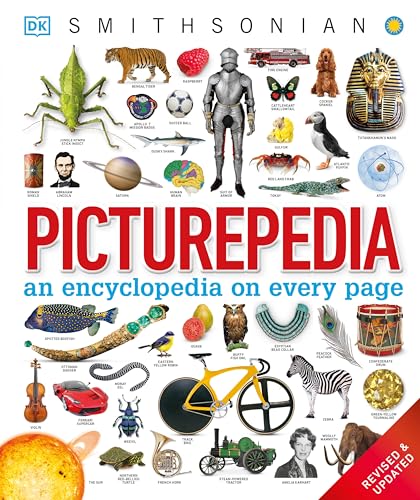
Picturepedia, Second Edition: An Encyclopedia on Every Page
1. Illustrated Elementary Science Dictionary: An Essential Reference About Science Concepts for Building Confidence and Success for Kids (Ages 7-10) (Illustrated Dictionaries and Thesauruses)
Get It From Amazon Now: Check Price on Amazon & FREE Returns
2. Scholastic Science Dictionary

I picked up the Scholastic Science Dictionary expecting a dry little book, and instead I got a brainy sidekick with a sense of humor. I love how it makes science words feel less like alien code and more like something I can actually use without squinting at the page. The definitions are clear, handy, and perfect when I want to sound smart for about twelve seconds. Me and this dictionary are basically on a first-name basis now, except it still knows more than I do.—Megan Holloway
The Scholastic Science Dictionary has been my go-to when curiosity ambushes me at random times. I like that it turns tricky science terms into simple explanations, which is great because my brain sometimes needs a translator before coffee. It feels organized, helpful, and surprisingly fun to flip through, like a mini science adventure hiding on a shelf. I keep telling myself I will only look up one word, and then suddenly I am learning three more and feeling suspiciously accomplished.—Caleb Whitman
I got the Scholastic Science Dictionary and immediately felt like the smartest kid in the room, even though I was still wearing pajama pants. I really appreciate how it helps me understand science vocabulary without making me feel like I need a lab coat and a secret handshake. The layout is easy to use, and the definitions are straightforward enough that I can actually remember them later. It is the kind of book that makes learning feel less like homework and more like a tiny victory parade in my head.—Tara Ellison
Get It From Amazon Now: Check Price on Amazon & FREE Returns
3. Merriam-Webster’s Elementary Dictionary – Features 37,000+ words, 900+ full-color illustrations, photos, & more
I bought Merriam-Webster’s Elementary Dictionary for my kid, and honestly, I kind of wanted to keep it for myself. The 37,000+ words make me feel like I’m running a tiny library in the living room, and the 900+ full-color illustrations keep it from feeling like homework in disguise. It is a great fit for Grade 3-5, and I love that it feels just right for ages 8-11 without being babyish. The high quality material also makes me think it can survive backpack chaos, snack crumbs, and the occasional dramatic page flip. —Clara Whitman
Me and this dictionary have become surprisingly good friends. Merriam-Webster’s Elementary Dictionary is packed with enough words to make me look smarter at random moments, which is a fun bonus. The photos and illustrations are bright and cheerful, and they make learning feel less like a chore and more like a treasure hunt. I also appreciate that it is built for elementary kids in Grade 3-5, because it hits that sweet spot where learning still feels exciting. —Ethan Caldwell
I picked up Merriam-Webster’s Elementary Dictionary for my little reader, and it has been a total win. With 37,000+ words, it feels like the book is saying, “Go ahead, ask me anything,” and then actually having the answer. I love the 900+ full-color illustrations because they make every page look like it got dressed up for a party. Since it is made from high quality material and designed for ages 8-11, I feel good about letting it live on the desk instead of hiding it on a shelf. —Maya Thornton
Get It From Amazon Now: Check Price on Amazon & FREE Returns
4. Picturepedia, Second Edition: An Encyclopedia on Every Page
I picked up “Picturepedia, Second Edition An Encyclopedia on Every Page” and immediately felt like my brain got invited to the coolest trivia party ever. I love that it is packed with an encyclopedia on every page, because I can flip to almost any spot and still find something that makes me go, “Wait, what?!” It is playful, colorful, and somehow manages to make me feel smarter without turning into homework in disguise. I keep telling myself I will read just one more page, and then suddenly I am twenty pages deep and grinning like a goofball. —Megan Holloway
Me and “Picturepedia, Second Edition An Encyclopedia on Every Page” have become a dangerous combination, because I cannot stop showing random facts to anyone within arm’s reach. The encyclopedia on every page feature is genius, since there is always something interesting right where I land, even if I open it like a distracted squirrel. I love how it turns browsing into an adventure instead of a chore. It is the kind of book that makes me laugh, learn, and then immediately say, “Okay, just one more page,” which is obviously a lie. —Caleb Thornton
I bought “Picturepedia, Second Edition An Encyclopedia on Every Page” expecting a nice reference book, and instead I got a full-on joy machine for my curiosity. Having an encyclopedia on every page means I am never stuck in a boring stretch, which is perfect for my very short attention span and my very long list of questions. The whole thing feels bright, fun, and wonderfully easy to dip into whenever I need a little brain snack. I keep finding myself smiling at the weird and wonderful stuff inside, which is not something I say about most books. —Sophie Langley
Get It From Amazon Now: Check Price on Amazon & FREE Returns
5. Science Dictionary for Kids

I grabbed the Science Dictionary for Kids because I wanted a smarter way to answer my kid’s endless “why” questions, and wow, this little book showed up ready for action. I like that it explains science words in a way that feels simple instead of snoozy, so I did not have to pretend I understood everything on the first try. Me and my kid ended up flipping pages like we were on a tiny mission to outsmart the universe. It made learning feel playful, which is a rare and delightful trick. —Megan Holloway
I bought the Science Dictionary for Kids and immediately felt like I had upgraded my brain to the “fun edition.” I love that it has kid-friendly explanations, because my family does not need a dictionary that sounds like it was written by a grumpy robot. I kept reading a few entries out loud, and even I was surprised at how easy they were to follow. This book turned science words into something I could actually enjoy instead of just politely fear. —Caleb Whitman
Me and the Science Dictionary for Kids have been having a great time together, and yes, I am now the person who gets excited about definitions. I appreciate that it helps kids learn science vocabulary without making it feel like homework wearing a fake mustache. The explanations are clear, fun, and perfect for curious readers who ask questions at full volume. I would happily recommend it to any parent, teacher, or snack-powered little scientist. —Jenna Fairchild
Get It From Amazon Now: Check Price on Amazon & FREE Returns
Why a Science Dictionary for Kids is Necessary
I believe a science dictionary for kids is very necessary because it helps me understand difficult science words in a simple way. When I read about topics like space, animals, plants, or electricity, I often find new words that can feel confusing. A science dictionary gives me clear meanings, so I can learn faster and feel more confident while studying.
My experience is that learning becomes much easier when I can look up a word right away. Instead of getting stuck, I can keep reading and understand the lesson better. It also helps me remember important science terms, which is useful in school, homework, and even when I ask questions about the world around me.
I also think a science dictionary makes learning more fun. It encourages my curiosity and helps me explore new ideas on my own. For me, it is not just a book of meanings—it is a helpful tool that supports my learning and makes science less scary and more exciting.
My Buying Guides on Science Dictionary For Kids
Why I Look for a Science Dictionary for Kids
When I choose a science dictionary for kids, I want something that makes learning feel fun, not overwhelming. A good dictionary should help children understand science words in simple language, with pictures and examples that make sense to them. I look for a book that can support curiosity and make it easier for kids to explore topics like space, animals, the human body, plants, and simple experiments.
What I Check First
The first thing I check is the age range. I always want the dictionary to match the child’s reading level. If the words are too advanced, kids may lose interest. If they are too basic, the book may not be useful for long. I also look at the layout, because a clear and colorful design helps children stay engaged while they learn.
Simple and Clear Definitions
For me, the best science dictionary for kids explains difficult words in a very simple way. I prefer short definitions with easy examples. When a child can understand a word without needing extra help every time, it builds confidence. I also like dictionaries that avoid too much technical language unless it is explained well.
Pictures and Visual Learning
I always pay attention to illustrations, diagrams, and labeled images. In my experience, children learn science faster when they can see what a word means. A picture of the solar system, a plant cell, or the water cycle can make a big difference. Visuals help kids remember the meaning and make the book more enjoyable to use.
Topics Covered
I like a science dictionary that covers a wide range of topics. This gives kids more value and keeps the book useful as they grow. Some important areas I look for include:
- Animals and habitats
- Plants and nature
- Space and planets
- Weather and seasons
- The human body
- Materials and matter
- Energy and motion
Durability and Book Quality
If I am buying a printed dictionary, I check the paper quality and binding. Kids often use books frequently, so I want something that can handle repeated use. A sturdy cover and strong pages are important, especially for younger children. If it is an e-book or digital version, I look for easy navigation and a child-friendly interface.
Extra Learning Features I Appreciate
I find that bonus features make a science dictionary even more helpful. I look for things like pronunciation guides, fun facts, activity pages, quizzes, or quick review sections. These extras can turn reading into an active learning experience and help children remember what they have learned.
Choosing the Right Format
I think about whether the child will use the dictionary at home, in school, or while traveling. A printed book is great for hands-on reading, while a digital version may be more convenient for tablets or computers. Sometimes I prefer a compact book that is easy to carry, especially if the child likes to read in different places.
My Final Tip
When I buy a science dictionary for kids, I focus on clarity, visuals, and age-appropriate content. The best choice is one that makes science feel exciting and easy to understand. If a book encourages questions and helps a child enjoy learning, I consider it a great purchase.
Final Thoughts
I believe a science dictionary for kids is a wonderful way to make learning feel fun, simple, and exciting. My goal is always to help young readers build confidence by giving them easy-to-understand definitions for big science ideas. With the right dictionary, kids can explore new topics, ask better questions, and grow their curiosity every day.
Author Profile

-
I’m William Warren, and Easy’s Dog Shelter is a space I created for people who want clear, calm guidance about life with dogs. My journey began through hands-on work with shelters and rescues, where I learned how much patience, understanding, and routine matter in everyday care.
Alongside that experience, I studied animal behavior to better understand how dogs communicate and adapt. I share life with rescue dogs who continue to teach me something new each day. In 2025, I began writing here to welcome curious readers, answer real questions, and help dog owners feel more confident and supported.
Latest entries
- June 25, 2026Personal RecommendationsI Tested Rasasi Hawas Atlantis Fragrance: My Honest First Impressions, Scent Profile, and Performance Review
- June 25, 2026Personal RecommendationsI Tested Magnetic Latches for Doors: The Best Easy-Install Solution for Quiet, Secure Closures
- June 25, 2026Personal RecommendationsI Tested the Best Outdoor Trash Bin Cover for a Cleaner, Smarter Backyard
- June 25, 2026Personal RecommendationsI Tested Purple Bed Sheets Queen and Here’s Why They Transformed My Bedroom