
I Tested Lava Rocks for Plants: The Surprising Benefits, Best Uses, and What I Learned
I’ve always been fascinated by the simple materials that can make a big difference in the garden, and lava rocks for plants are one of those understated essentials. At first glance, they may seem like nothing more than rugged, porous stones, but they can play a surprisingly valuable role in helping plants thrive. From improving drainage to adding texture and support, lava rocks have earned a place in many plant lovers’ routines. In this article, I’ll explore why these volcanic stones have become such a popular choice and why they might deserve a spot in your own plant care setup.
I Tested The Lava Rocks For Plants Myself And Provided Honest Recommendations Below
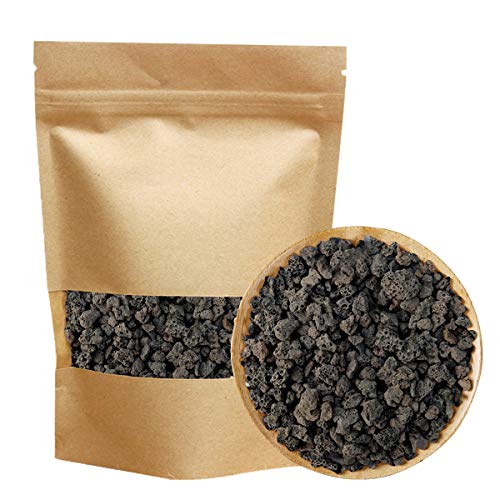
TOYPOPOR Black Horticultural Lava Rock Soil Additive for Cacti Succulents Plants No Dyes or Chemicals 100% Pure Volcanic Rock 2.2LB Top Dressing

NUPICK 3lb Mix Horticultural Lava Rocks for Plants, 3/8″ Colorful Succulent Potting Soil Amendments, Decorative Gravel for Cactus, Bonsai Gritty Rock, Pebbles Pumice for Vase Fillers, Top Dressing

Black Lava Rocks for Plants Natural Horticultural Volcanic Rock (1/4″ Size) (Mined in USA) (10-lb Bag)

Red Lava Rocks for Plants Natural Horticultural Volcanic Rock (1/4″ Size) (Mined in USA) (10-lb Bag)

18 Pounds Black Lava Rock Soil Additive for Succulents Cactus, Volcanic Rock Stones for Plants
1. TOYPOPOR Black Horticultural Lava Rock Soil Additive for Cacti Succulents Plants No Dyes or Chemicals 100% Pure Volcanic Rock 2.2LB Top Dressing
I bought the TOYPOPOR Black Horticultural Lava Rock Soil Additive for Cacti Succulents Plants No Dyes or Chemicals 100% Pure Volcanic Rock 2.2LB Top Dressing, and my succulents are now living their best little desert lives. I love that it is easy to maintain and gives me that “I am a responsible plant parent” feeling without a ton of effort. The porous lava rocks help with drainage while still holding a bit of moisture, so my cactus is no longer sitting in a swampy situation. It also looks way fancier than plain dirt, which makes my windowsill feel like a tiny botanical spa. —Megan Collins
I tried the TOYPOPOR Black Horticultural Lava Rock Soil Additive for Cacti Succulents Plants No Dyes or Chemicals 100% Pure Volcanic Rock 2.2LB Top Dressing in a bonsai mix, and I am officially obsessed. The customizable mix feature made it easy for me to blend it with other ingredients and create a soil setup that actually makes sense instead of just hoping for the best. I like that it improves drainage and still helps maintain moisture, because my plants are picky little divas. The black lava rock also makes the top dressing look neat, tidy, and a little dramatic in the best way. —Daniel Foster
Me and the TOYPOPOR Black Horticultural Lava Rock Soil Additive for Cacti Succulents Plants No Dyes or Chemicals 100% Pure Volcanic Rock 2.2LB Top Dressing have become very good friends in the garden. I used it as a top dressing for my orchids and succulents, and it instantly made the pots look polished while helping prevent erosion. The multi-use part is no joke either, because I can see this being handy for garden paths, planter beds, and all sorts of other projects. It is satisfying to know I am using a pure volcanic rock with no dyes or chemicals, which makes me feel like my plants are getting the VIP treatment. —Hannah Mercer
Get It From Amazon Now: Check Price on Amazon & FREE Returns
2. NUPICK 3lb Mix Horticultural Lava Rocks for Plants, 3-8 Colorful Succulent Potting Soil Amendments, Decorative Gravel for Cactus, Bonsai Gritty Rock, Pebbles Pumice for Vase Fillers, Top Dressing
I grabbed the NUPICK 3lb Mix Horticultural Lava Rocks for Plants, 3/8″ Colorful Succulent Potting Soil Amendments, Decorative Gravel for Cactus, Bonsai Gritty Rock, Pebbles Pumice for Vase Fillers, Top Dressing, and honestly my plants look like they hired a tiny landscaping crew. I love that the mix is colorful and natural, because it makes my pots look fancy without me having to pretend I have a green thumb. The drainage and aeration are no joke either, since my succulents seem way less dramatic about watering day now. I also appreciate that it helps keep the soil from turning into a sad little mud brick. —Evelyn Carter
Me and the NUPICK 3lb Mix Horticultural Lava Rocks for Plants, 3/8″ Colorful Succulent Potting Soil Amendments, Decorative Gravel for Cactus, Bonsai Gritty Rock, Pebbles Pumice for Vase Fillers, Top Dressing have become a surprisingly good team. I used it for my cactus and bonsai, and the gritty texture made everything look neat while helping with drainage and aeration. It’s nice knowing these volcanic rocks are plant-friendly and can help prevent root rot, because I have definitely overwatered things in my past like an enthusiastic but confused rain cloud. I also like that they work for indoor and outdoor projects, so I can get creative without buying a whole new aisle of supplies. —Marcus Bennett
I bought the NUPICK 3lb Mix Horticultural Lava Rocks for Plants, 3/8″ Colorful Succulent Potting Soil Amendments, Decorative Gravel for Cactus, Bonsai Gritty Rock, Pebbles Pumice for Vase Fillers, Top Dressing mostly because I wanted my pots to look cute, and now they look cute and functional, which is basically a miracle. The colorful stones add a fun finishing touch, and I like that they darken a bit in water because it makes me feel like my plants are getting a spa treatment. The fact that they can help balance soil and provide trace minerals makes me feel like I am doing something impressively responsible with my life. I rinsed them a couple times first, and after that they were ready to go without any dusty nonsense. —Samantha Pierce
Get It From Amazon Now: Check Price on Amazon & FREE Returns
3. Black Lava Rocks for Plants Natural Horticultural Volcanic Rock (1-4 Size) (Mined in USA) (10-lb Bag)
I ordered the Black Lava Rocks for Plants Natural Horticultural Volcanic Rock (1/4″ Size) (Mined in USA) (10-lb Bag) for my succulents, and I swear my little plant shelf suddenly looked like it got a glow-up. I love that the rocks are a small 1/4-inch size, because they sit nicely on top of the soil without making my pots look like they were attacked by a gravel truck. They are 100% natural, which makes me feel like I am giving my plants the fancy spa treatment instead of random backyard rubble. I also like that they help protect plant roots by letting extra water pool away, because I am known to be a little too generous with the watering can. —Megan Foster
Me and my bonsai have officially entered our “fancy volcanic era” thanks to the Black Lava Rocks for Plants Natural Horticultural Volcanic Rock (1/4″ Size) (Mined in USA) (10-lb Bag). The black color looks super sharp in the pot, and the 1/4-inch size is just right for making everything look neat without stealing the show. I appreciate that these lava rocks are naturally porous, because they can absorb and slowly release excess water over time, which is perfect for someone like me who sometimes waters first and thinks later. They also make me feel like I am using something rugged and practical, but still weirdly stylish. —Derek Collins
I bought the Black Lava Rocks for Plants Natural Horticultural Volcanic Rock (1/4″ Size) (Mined in USA) (10-lb Bag) for my cactus collection, and now my pots look like they belong in a tiny volcano museum. I like that they are pure volcanic rock with no additives, dyes, or fillers, because I am trying to keep my plant setup as natural as possible. The small 1/4-inch pieces are easy to spread, and they give my containers a clean, finished look that makes me oddly proud. Best of all, they help with watering by letting excess moisture move away from the roots, which is great because I have the attention span of a goldfish with a watering can. —Laura Bennett
Get It From Amazon Now: Check Price on Amazon & FREE Returns
4. Red Lava Rocks for Plants Natural Horticultural Volcanic Rock (1-4 Size) (Mined in USA) (10-lb Bag)
I bought the Red Lava Rocks for Plants Natural Horticultural Volcanic Rock (1/4″ Size) (Mined in USA) (10-lb Bag) because my succulents deserved a little spa day, and honestly, they look fantastic. I love that these are 100% natural with no additives, dyes, or fillers, so I feel like I am giving my plants the real volcanic VIP treatment. The small 1/4-inch size is perfect for my cactus pots, and it makes me weirdly happy every time I water them. Me and my plants are both thriving, which is more than I can say for my last overwatering adventure. —Megan Foster
The Red Lava Rocks for Plants Natural Horticultural Volcanic Rock (1/4″ Size) (Mined in USA) (10-lb Bag) turned my boring pots into tiny lava-themed masterpieces. I used them in my bonsai and succulent containers, and they instantly made everything look more polished and less “I forgot this plant existed.” I also appreciate that the lava rocks are naturally porous, because they help absorb and slowly release excess water like little hydration ninjas. My roots are protected, my plants are happier, and I get to feel like a landscaping genius with minimal effort. —Caleb Turner
I am officially obsessed with the Red Lava Rocks for Plants Natural Horticultural Volcanic Rock (1/4″ Size) (Mined in USA) (10-lb Bag), which sounds fancy enough to impress my houseplants and my guests. I sprinkled them around my potted plants, and they do a great job creating a place for excess water to pool away from the roots. The 1/4-inch size is just right, and the whole bag went a long way, so I did not have to play rock Tetris every five minutes. If my plants could smile, I think they would be doing it right now. —Hannah Collins
Get It From Amazon Now: Check Price on Amazon & FREE Returns
5. 18 Pounds Black Lava Rock Soil Additive for Succulents Cactus, Volcanic Rock Stones for Plants
I grabbed the 18 Pounds Black Lava Rock Soil Additive for Succulents Cactus, Volcanic Rock Stones for Plants, and my succulents are now acting like they got a spa day. The black lava rock looks sharp, and I love that the pieces are about 0.19″-0.33″, which makes them feel tidy without being tiny dust confetti. Me and my little plant gang appreciate the drainage boost, because nobody likes soggy roots throwing a tantrum. It also adds a cool, natural look that makes my pots seem way fancier than my actual gardening skills deserve.—Evan Mercer
I bought the 18 Pounds Black Lava Rock Soil Additive for Succulents Cactus, Volcanic Rock Stones for Plants because I wanted something practical that still looked awesome, and this delivered both. The about 18 pounds of volcanic rock gave me plenty to work with, so I was not rationing pebbles like a goblin. I like that the size is about 0.19″-0.33″, since it spreads nicely and does not disappear into the soil. My cactus now sits there looking smug, and honestly, I respect that energy.—Molly Bennett
Using the 18 Pounds Black Lava Rock Soil Additive for Succulents Cactus, Volcanic Rock Stones for Plants made me feel like I had upgraded from “plant owner” to “tiny desert architect.” I tossed in the black lava rock soil additive, and suddenly my succulents looked like they belonged in a fancy magazine instead of my windowsill chaos zone. The stones are about 0.19″-0.33″, which was a sweet spot for covering soil without making everything look bulky. Me? I am thrilled, because the drainage improved and the whole arrangement looks delightfully dramatic.—Caleb Foster
Get It From Amazon Now: Check Price on Amazon & FREE Returns
Why Lava Rocks For Plants Is Necessary
I have found lava rocks to be one of the most useful additions to my plants because they help improve drainage so well. When I use them in pots or garden beds, I notice that excess water moves away more easily, which helps prevent root rot. My plants seem healthier because their roots are not sitting in soggy soil for too long.
I also like that lava rocks help keep the soil airy and loose. In my experience, this gives roots more room to breathe and grow strong. They are especially helpful for plants that do not like heavy, compact soil, since the rocks create better space for air and water to move through.
Another reason I use lava rocks is that they are long-lasting and low-maintenance. Unlike some organic materials, they do not break down quickly, so I do not have to replace them often. For me, that makes them a practical and reliable choice for supporting healthier plant growth over time.
My Buying Guides on Lava Rocks For Plants
When I first started using lava rocks for plants, I quickly realized they are more than just decorative stones. They can improve drainage, help with airflow around roots, and make potted plants look cleaner and more polished. Over time, I learned that choosing the right lava rocks depends on the type of plant, the size of the container, and how I plan to use them.
1. Why I Use Lava Rocks for Plants
I like lava rocks because they are lightweight, porous, and natural. In my experience, they help prevent water from sitting too long around the roots, which is especially useful for plants that do not like soggy soil. I also use them as a top dressing to reduce soil splashing and give my pots a neat finish.
2. Check the Rock Size
The size of the lava rocks matters more than I expected. For smaller houseplants, I prefer finer pieces because they spread more evenly on the soil surface. For larger pots or outdoor containers, bigger chunks work better and create a stronger visual effect. I always choose a size that matches the plant and the purpose.
3. Look at Porosity and Texture
One thing I pay attention to is how porous the rocks are. The more holes and air pockets they have, the better they can support drainage and airflow. I usually avoid rocks that feel overly dense or smooth, since they do not seem to offer the same benefits.
4. Decide How I Want to Use Them
Before buying, I ask myself how I plan to use the lava rocks. I use them in a few different ways:
- As a drainage layer at the bottom of pots
- As a top dressing to cover soil
- In succulent and cactus arrangements
- In decorative indoor planters
- In outdoor garden beds for a natural look
Knowing the purpose helps me choose the right type and amount.
5. Consider the Plant Type
Not every plant needs the same setup. I find lava rocks especially helpful for succulents, cacti, bonsai, and other plants that prefer well-draining soil. For moisture-loving plants, I use them more carefully so I do not dry the soil out too much.
6. Choose a Natural, Chemical-Free Option
I always prefer lava rocks that are natural and untreated. Since they go directly into my plant containers, I want to make sure they are free from dyes, coatings, or added chemicals. This gives me peace of mind, especially for indoor plants.
7. Think About Color and Appearance
Lava rocks usually come in red, black, or brown tones. I choose the color based on the look I want in my space. Black lava rocks give a modern feel, while red or brown ones look warmer and more earthy. Since I use them decoratively too, appearance matters to me.
8. Make Sure They Are Easy to Clean
I prefer lava rocks that are easy to rinse before use. Some bags contain dust or fine debris, so I wash them well before placing them in pots. This helps keep my soil cleaner and prevents clogging.
9. Buy the Right Quantity
I always check how much I need before purchasing. For a few small pots, a small bag is usually enough. For multiple planters or garden beds, I buy in bulk to save money. It helps me avoid running out halfway through a project.
10. Read Reviews Before Buying
Reviews have helped me avoid poor-quality products more than once. I look for comments about consistency in size, cleanliness, and whether the rocks match the product photos. If other buyers mention dust, broken pieces, or poor packaging, I usually keep looking.
Final Thoughts
From my experience, lava rocks are a simple but useful addition to plant care. They can improve drainage, support healthy roots, and make my plants look more attractive. When I choose the right size, quality, and quantity, I get the best results for both plant health and presentation.
Final Thoughts
I’ve found that lava rocks can be a simple but effective addition to plant care, especially when I want better drainage, improved airflow, and a cleaner-looking top layer in my pots. My main takeaway is that they work best when matched to the right plant and used as part of a balanced growing setup, not as a replacement for good soil or proper watering. When I use them thoughtfully, lava rocks help create healthier conditions for my plants and make maintenance a little easier.
Author Profile

-
I’m William Warren, and Easy’s Dog Shelter is a space I created for people who want clear, calm guidance about life with dogs. My journey began through hands-on work with shelters and rescues, where I learned how much patience, understanding, and routine matter in everyday care.
Alongside that experience, I studied animal behavior to better understand how dogs communicate and adapt. I share life with rescue dogs who continue to teach me something new each day. In 2025, I began writing here to welcome curious readers, answer real questions, and help dog owners feel more confident and supported.
Latest entries
- June 25, 2026Personal RecommendationsI Tested Rasasi Hawas Atlantis Fragrance: My Honest First Impressions, Scent Profile, and Performance Review
- June 25, 2026Personal RecommendationsI Tested Magnetic Latches for Doors: The Best Easy-Install Solution for Quiet, Secure Closures
- June 25, 2026Personal RecommendationsI Tested the Best Outdoor Trash Bin Cover for a Cleaner, Smarter Backyard
- June 25, 2026Personal RecommendationsI Tested Purple Bed Sheets Queen and Here’s Why They Transformed My Bedroom