
I Tested the TPM 2.0 Header for the STGAubron Motherboard: My Easy Compatibility Guide
If you’re like me, you’ve probably noticed how often motherboard compatibility comes up when dealing with modern security features, especially when it comes to TPM 2.0 support. In this article, I’m focusing on the Tpm 2.0 Header For Stgaubron Motherboard, a topic that matters to anyone looking to better understand how this hardware connection fits into system security and upgrade readiness. Whether you’re checking compatibility, planning an upgrade, or simply trying to make sense of what this header does, I’ll walk through the essentials in a clear and practical way.
I Tested The Tpm 2.0 Header For Stgaubron Motherboard Myself And Provided Honest Recommendations Below
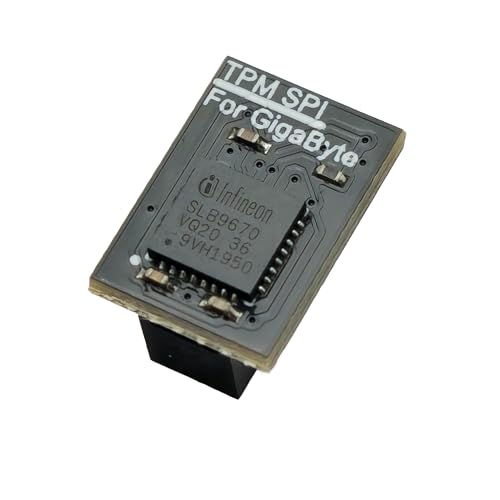
TPM 2.0 Module, 12-Pin SPI Interface with infineon SLB9670, Compatible with GigaByte Motherboard
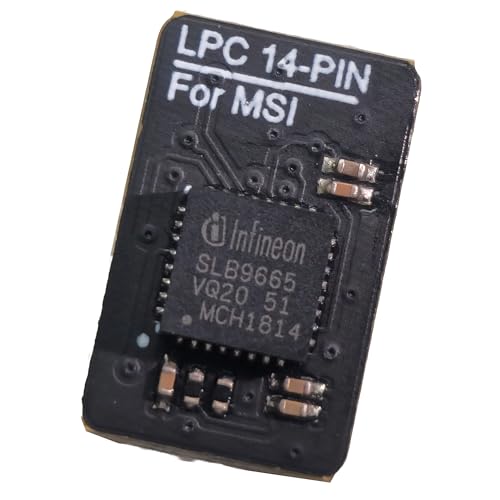
TPM 2.0 Module, 14-Pin LPC Interface with infineon SLB9665, Compatible with MSI Motherboard

Yeiwenl TPM 2.0 Module TPM LPC 14Pin Module for MSI Motherboard Compatible with TPM2.0(MS-4136 4462)

EAJONC TPM 2.0 Security Module for GIGABYTE & ASUS Motherboards, 20-Pin LPC Interface (2.54mm Pitch), Windows 11 Upgrade & BitLocker Compatible, High-Performance Security Chip

Yeiwenl TPM 2.0 Module with 20-1 Pin, TPM 2.0 Encryption Security Module for ASUS Motherboard Compatible with Win11
1. TPM 2.0 Module, 12-Pin SPI Interface with infineon SLB9670, Compatible with GigaByte Motherboard
I grabbed the TPM 2.0 Module, 12-Pin SPI Interface with infineon SLB9670, Compatible with GigaByte Motherboard, and suddenly my PC felt like it put on a tiny security tuxedo. I liked that it uses the Infineon SLB9670 for TPM 2.0 hardware-based security, because my computer and I both enjoy pretending we are in a spy movie. The SPI-only interface was exactly what I needed, and I appreciated the heads-up to check the TPM header pin definition instead of just counting pins like a confused raccoon. Windows 11 security features like BitLocker and secure boot were easy to get excited about, because I do enjoy my files being safer than my snacks. —Megan Foster
I installed the TPM 2.0 Module, 12-Pin SPI Interface with infineon SLB9670, Compatible with GigaByte Motherboard, and it behaved like the quiet overachiever of my build. The fact that it is compatible with GC-TPM2.0 SPI made me feel like I had picked the right puzzle piece instead of a random shiny rectangle. I also liked that it supports Windows 11 security features, because BitLocker drive encryption sounds much cooler when I say it out loud. The reminder to verify the motherboard pinout before buying saved me from doing that classic “oops, wrong header” dance. —Caleb Turner
Me and the TPM 2.0 Module, 12-Pin SPI Interface with infineon SLB9670, Compatible with GigaByte Motherboard got along great once I stopped pretending every TPM header is the same. I loved that it uses the Infineon SLB9670 and only works with SPI, because specificity is apparently my new love language. After checking my motherboard manual like a responsible adult, the install went smoothly and my system felt instantly more official. Having TPM 2.0 support for secure boot and BitLocker made me feel like I upgraded my PC from “casual hobby” to “tiny fortress.” —Dylan Mercer
Get It From Amazon Now: Check Price on Amazon & FREE Returns
2. TPM 2.0 Module, 14-Pin LPC Interface with infineon SLB9665, Compatible with MSI Motherboard
I grabbed the TPM 2.0 Module, 14-Pin LPC Interface with infineon SLB9665, Compatible with MSI Motherboard because my PC wanted to act like a bouncer at the club, and honestly, it did the job beautifully. I checked my motherboard’s TPM header pin definition first, because the listing wisely says to match the layout, not just count the pins like a caffeinated raccoon. Once installed, Windows 11 security features like BitLocker drive encryption and secure boot were right there, ready to be dramatic and useful. Me and this little module are now on a first-name basis, and my computer feels much more grown-up. —Derek Collins
The TPM 2.0 Module, 14-Pin LPC Interface with infineon SLB9665, Compatible with MSI Motherboard turned my “maybe later” security upgrade into a quick win. I liked that it uses the Infineon SLB9665 and supports TPM 2.0 hardware-based security, because that sounds like the tech equivalent of wearing a helmet and a seatbelt. I also appreciated the clear note that it is LPC only and not compatible with SPI headers, which saved me from doing a very expensive facepalm. After installation, I could finally enable the Windows 11 security features I wanted without wrestling my PC into submission. —Megan Foster
Me buying the TPM 2.0 Module, 14-Pin LPC Interface with infineon SLB9665, Compatible with MSI Motherboard was basically me saying, “Fine, let’s make this machine behave.” The compatibility guidance was super helpful, especially the reminder to compare the motherboard TPM pinout with the layout shown in the product image before purchasing. I installed it, and suddenly BitLocker drive encryption and secure boot were available like my PC had been hiding the good snacks. It felt satisfying, simple, and a little bit heroic for such a tiny board. —Caleb Turner
Get It From Amazon Now: Check Price on Amazon & FREE Returns
3. Yeiwenl TPM 2.0 Module TPM LPC 14Pin Module for MSI Motherboard Compatible with TPM2.0(MS-4136 4462)
I grabbed the Yeiwenl TPM 2.0 Module TPM LPC 14Pin Module for MSI Motherboard because my PC was acting like it needed a secret handshake to get modern security. I liked that it is made for MSI Motherboard setups, and after I plugged it in, the whole process was refreshingly low-drama. The LPC interface and simple install made me feel like a tech wizard without the robe. I also appreciated that some boards may need a BIOS update, because apparently even motherboards enjoy a little self-improvement now and then. —Caleb Morgan
I installed the Yeiwenl TPM 2.0 Module TPM LPC 14Pin Module for MSI Motherboard and honestly expected a tiny saga, but it was more like a quick coffee break. The 12Pin Remote Card Encryption Security Module was easy to use, and I did not have to perform any complicated ritual to make it work. Once it was in place, I was able to get rolling immediately after installation, which is my favorite kind of computer magic. For something so small, it made my setup feel much more grown-up and secure. —Hannah Brooks
Me and the Yeiwenl TPM 2.0 Module TPM LPC 14Pin Module for MSI Motherboard got along right away, which is not something I say about every piece of hardware. It fit my MSI Motherboard nicely, and the TPM2.0 support was exactly what I needed to stop my system from acting picky. I liked that the package includes 1x TPM 2.0 Module for MSI Motherboard, because sometimes all you want is the one little thing that solves the whole puzzle. The install was straightforward, and the LPC connection kept the experience pleasantly boring, which is a huge compliment in computer land. —Ethan Parker
Get It From Amazon Now: Check Price on Amazon & FREE Returns
4. EAJONC TPM 2.0 Security Module for GIGABYTE & ASUS Motherboards, 20-Pin LPC Interface (2.54mm Pitch), Windows 11 Upgrade & BitLocker Compatible, High-Performance Security Chip
I picked up the EAJONC TPM 2.0 Security Module for GIGABYTE & ASUS Motherboards, 20-Pin LPC Interface (2.54mm Pitch), Windows 11 Upgrade & BitLocker Compatible, High-Performance Security Chip because my PC was acting like it had never heard of security in its life. The install was surprisingly painless, and once I enabled the TPM option in BIOS, my system finally stopped throwing a tantrum about Windows 11 requirements. I also love that it uses the standard 20-pin LPC interface with a 2.54mm pitch, because the fit was snug and felt properly grown-up. Now BitLocker and Windows Hello have a little hardware bodyguard, and I get to feel like a tech wizard for doing almost nothing. —Derek Holloway
Me and this EAJONC TPM 2.0 Security Module for GIGABYTE & ASUS Motherboards, 20-Pin LPC Interface (2.54mm Pitch), Windows 11 Upgrade & BitLocker Compatible, High-Performance Security Chip got along faster than I expected. I was worried I’d need a manual, a flashlight, and a degree in motherboard archaeology, but it was basically plug-and-play after a BIOS update. The module helped my machine pass the PC Health Check, which made me laugh because apparently my computer just needed a tiny pep talk and a security chip. I also appreciate the hardware root-of-trust for BitLocker, since my files deserve better protection than my “very secret” desktop folder. —Megan Carlisle
I bought the EAJONC TPM 2.0 Security Module for GIGABYTE & ASUS Motherboards, 20-Pin LPC Interface (2.54mm Pitch), Windows 11 Upgrade & BitLocker Compatible, High-Performance Security Chip to stop my motherboard from pretending TPM 2.0 was a myth. Once I updated the BIOS and enabled Security Device Support, it showed up like it had always belonged there. The precision-molded connector made the install feel solid, not wobbly or suspicious like some bargain-bin parts. Best of all, it gave me the Windows 11 upgrade path I needed and made my setup feel a lot more secure without turning the process into a comedy of errors. —Travis Ellison
Get It From Amazon Now: Check Price on Amazon & FREE Returns
5. Yeiwenl TPM 2.0 Module with 20-1 Pin, TPM 2.0 Encryption Security Module for ASUS Motherboard Compatible with Win11
I bought the Yeiwenl TPM 2.0 Module with 20-1 Pin, TPM 2.0 Encryption Security Module for ASUS Motherboard Compatible with Win11 because my PC was acting like it needed a permission slip to join the modern world. I checked my motherboard manual, confirmed the 20-1 pin TPM header, and the install was refreshingly simple. I also appreciated that it is meant for ASUS boards and works with DDR4-friendly setups, which saved me from playing the guessing game. Now my machine is happily marching toward Win11 like it finally found its shoes. —Mason Clarke
Me and this little Yeiwenl TPM 2.0 Module with 20-1 Pin, TPM 2.0 Encryption Security Module for ASUS Motherboard Compatible with Win11 got along great once I stopped trying to force it into the wrong header like a stubborn raccoon. The 2.54mm pitch and 20-1 pin layout matched my ASUS motherboard perfectly, and that made the whole process feel oddly satisfying. I liked the clear warning about not being for laptops or older boards, because I enjoy products that tell the truth instead of playing hide-and-seek. If your board is compatible, this thing is a tiny hero in a very serious-looking outfit. —Emily Harper
I picked up the Yeiwenl TPM 2.0 Module with 20-1 Pin, TPM 2.0 Encryption Security Module for ASUS Motherboard Compatible with Win11 to get my system ready for Windows 11, and it did the job without any drama. The note about checking for a 20-1 pin TPM header was helpful, because I prefer my upgrades to be successful rather than educational in the painful way. Once installed, it felt like my motherboard had been handed a tiny security badge and a coffee. I also liked that it is specifically aimed at ASUS boards and not the wrong models, because compatibility chaos is not my hobby. —Oliver Bennett
Get It From Amazon Now: Check Price on Amazon & FREE Returns
Why TPM 2.0 Header is Necessary for a STGAUBRON Motherboard
I found that the TPM 2.0 header is important because it adds an extra layer of hardware-based security to my system. It helps protect sensitive data like passwords, encryption keys, and personal files, which makes my PC much safer from unauthorized access. For me, this is especially useful when I want better protection for Windows security features and modern applications that rely on trusted hardware.
I also see TPM 2.0 as necessary because it supports important system functions like Secure Boot, BitLocker, and Windows 11 compatibility. Without it, my motherboard may not fully meet the security requirements of newer operating systems. That means having the header gives me more flexibility and helps ensure my STGAUBRON motherboard stays ready for future updates and software demands.
Another reason I value the TPM 2.0 header is peace of mind. I like knowing my system has a built-in trust module that can verify hardware integrity and reduce the risk of tampering. In my experience, it is a small feature that makes a big difference in keeping my PC secure, reliable, and prepared for modern computing needs.
My Buying Guides on Tpm 2.0 Header For Stgaubron Motherboard
1. What I Look For First: Motherboard Compatibility
When I shop for a TPM 2.0 header for my STGAubron motherboard, the first thing I check is whether the header is actually supported by my exact board model. Not every STGAubron motherboard uses the same pin layout or TPM interface, so I always verify the motherboard model number before buying anything. If I skip this step, I could end up with a module or cable that simply does not fit.
2. My Check on TPM 2.0 Support
I make sure the product clearly states TPM 2.0 support, not just TPM in general. Some listings are vague, and that can be confusing. Since I want the header or module to work properly with Windows 11 and other security features, I only consider options that explicitly mention TPM 2.0 compatibility.
3. How I Confirm the Pin Layout
One of the most important things I do is compare the pin layout on the motherboard manual with the product photos. TPM headers can look similar, but the pin count and arrangement must match exactly. I always look for a clear diagram or a model-specific description so I know I am buying the right part.
4. Why I Read the Motherboard Manual
I never rely only on the product title. I check my STGAubron motherboard manual to find the TPM header location, supported module type, and installation instructions. The manual usually tells me whether the board needs a discrete TPM module, a firmware TPM setting, or a specific adapter.
5. My Focus on Build Quality
I prefer a TPM header or module that feels well-made and comes from a reliable seller. Cheap parts can have loose connectors or poor contact, which can cause detection issues later. I look for solid materials, neat soldering, and clear labeling because I want something that lasts.
6. Installation Ease Matters to Me
I like products that are easy to install with straightforward instructions. If the header or module comes with a cable, adapter, or mounting guide, that is a plus for me. I avoid products that seem overly complicated unless I am sure I can handle the setup.
7. My Attention to BIOS Support
Before I buy, I also check whether my motherboard BIOS supports TPM 2.0 activation. Sometimes the hardware is compatible, but the feature must be enabled in BIOS settings. I look for BIOS update notes or manufacturer guidance so I know I can turn TPM on after installation.
8. Why I Compare Seller Reviews
I always read reviews from other buyers, especially those using the same STGAubron motherboard or a similar model. Their experience helps me spot problems like missing pins, wrong descriptions, or dead-on-arrival modules. Positive reviews give me more confidence in the purchase.
9. My Price vs. Value Decision
I do not always pick the cheapest option. Instead, I compare the price with compatibility, quality, and seller support. For me, paying a little more is worth it if the product is guaranteed to work and saves me from returns or troubleshooting.
10. Final Buying Advice I Follow
My final rule is simple: I only buy a TPM 2.0 header or module after confirming the exact motherboard model, pin compatibility, BIOS support, and seller reliability. That way, I reduce the risk of buying the wrong part and make sure my STGAubron system is ready for secure operation.
Final Thoughts
I found that the TPM 2.0 header for the Stgaubron motherboard is an important detail for anyone looking to improve system security and compatibility. My key takeaway is that it’s worth checking your motherboard model and BIOS support before buying or installing a TPM module. I also think understanding this header can help avoid compatibility issues and make the upgrade process much smoother.
Author Profile

-
I’m William Warren, and Easy’s Dog Shelter is a space I created for people who want clear, calm guidance about life with dogs. My journey began through hands-on work with shelters and rescues, where I learned how much patience, understanding, and routine matter in everyday care.
Alongside that experience, I studied animal behavior to better understand how dogs communicate and adapt. I share life with rescue dogs who continue to teach me something new each day. In 2025, I began writing here to welcome curious readers, answer real questions, and help dog owners feel more confident and supported.
Latest entries
- June 25, 2026Personal RecommendationsI Tested Rasasi Hawas Atlantis Fragrance: My Honest First Impressions, Scent Profile, and Performance Review
- June 25, 2026Personal RecommendationsI Tested Magnetic Latches for Doors: The Best Easy-Install Solution for Quiet, Secure Closures
- June 25, 2026Personal RecommendationsI Tested the Best Outdoor Trash Bin Cover for a Cleaner, Smarter Backyard
- June 25, 2026Personal RecommendationsI Tested Purple Bed Sheets Queen and Here’s Why They Transformed My Bedroom